Introduction
In the delightful world of culinary arts, innovation typically leads to the development of tools that improve the gastronomic experience. One such exceptional invention is the cream charger, a small but magnificent device that has reinvented how we whip cream and develop different culinary thrills. Understanding the history and advancement of cream chargers in cuisine offers insight not only into this vital kitchen tool but likewise into the more comprehensive spectrum of cooking strategies and trends.
Whether you're an expert chef or a home cook, understanding about whipped cream chargers can raise your culinary game substantially. From the days when chefs by hand whipped cream to today's automated dispensers, this article checks out every facet of cream chargers-- its origins, innovation, utilizes, and its impact on modern cuisine.

What Are Cream Chargers?
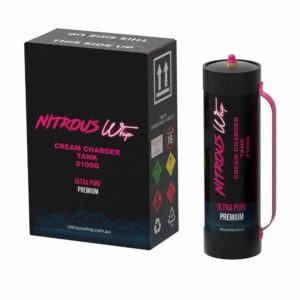
Cream battery chargers are little cylinders filled with nitrous oxide (N2O), used primarily to produce whipped cream. When paired with a whipped cream dispenser, these chargers launch gas that infuses air into liquid cream, producing a light and fluffy texture.
How Do Cream Chargers Work?
The operation of cream chargers is rather uncomplicated. Upon inserting a charger into a whipped cream dispenser and piercing it, the N2O gas quickly broadens. This expansion forces the liquid through a nozzle while concurrently aerating it. The result is perfectly whipped cream in seconds!
Types of Cream Chargers
There are numerous types of cream chargers readily available on the marketplace:
- Whipped Cream Chargers: These are designed particularly for whipping cream. Nitrous Oxide Cream Chargers: Commonly described as N2O chargers. Cream Battery charger Bulbs: A colloquial term for little nitrous oxide canisters. Nangs or Nossies: Slang terms that reflect local variation in terminology.
The Beginning: Early Uses of Laughing Gas in Cooking
Nitrous oxide was very first acknowledged for its culinary applications in the late 18th century. Initially discovered as an anesthetic by Humphry Davy, its use as a representative for aerating food wasn't far behind.
The First Whipped Creams
The earliest types of whipped creams were labor-intensive procedures involving manual whipping. The intro of Nitrous oxide changed this standard method drastically and led the way for modern techniques.

Historical Milestones
- Late 18th Century: Laughing gas starts to be recognized for its potential beyond medicine. 19 th Century: Early explores gas-infused creams begin to surface.
The Rise of Commercial Cream Chargers
The commercial production of whipped cream chargers began in the mid-20th century. As dining https://postheaven.net/aubinasvdn/comprehending-the-environmental-impact-of-nitrous-oxide-cream-chargers out ended up being more popular post-World War II, dining establishments began looking for quicker techniques to prepare desserts.
Advancements in Technology
With improvements in manufacturing processes and materials, companies started producing greater quality cream charger bulbs that could hold up against pressure without leaking.
Key Innovations
Increased safety features Better gas retention Enhanced compatibility with various dispensersThe Function of Cream Chargers in Modern Cuisine
Today, cream chargers have actually become essential cooking area tools accepted by both chefs and home cooks alike. They allow for numerous creative usages beyond simply whipping cream.
Versatile Applications
Infusions: Develop flavored oils or spirits using N2O. Mousses: Attain airy textures without extreme effort. Espumas: Craft fragile foams for progressive dishes.Why Are They So Popular?
The ease of usage and flexibility make them vital in modern cooking environments-- be it a high-end restaurant or a cozy cooking area at home.
Environmental Issues Surrounding Nitrous Oxide Use
While nitrous oxide has numerous cooking benefits, it is essential to consider its ecological impact also.
Contributing to Environment Change
Nitrous oxide is thought about a greenhouse gas with significant international warming potential when released into the atmosphere.
Regulatory Measures
Various nations have actually begun carrying out policies on nitrous oxide use due to these environmental concerns, which have prompted manufacturers to develop more sustainable alternatives.
Safety Procedures When Utilizing Cream Chargers
When using any pressurized gadget like a whip cream charger, safety should always be your top priority.
Essential Security Tips
Always use compatible dispensers. Store battery chargers away from heat sources. Never expose them to direct sunlight or extreme temperatures.Culinary Strategies Enhanced by Cream Chargers
Beyond simply light whipping creams, there are many sophisticated cooking methods enabled by these devices:
Molecular Gastronomy
Molecular gastronomy utilizes science-based cooking techniques to produce special textures and flavors-- frequently employing nitrous oxide for foams and emulsions.
Popular Techniques
- Spherification Gelification Sous-vide cooking
Cream Chargers vs Conventional Whipping Techniques: A Relative Analysis
Let's take a better look at how using whipped cream chargers compares to traditional methods:
|Aspect|Cream Chargers|Standard Whipping|| --------------------|----------------------------------|-----------------------------------------|| Time|Seconds|Minutes|| Texture|Light & & Fluffy|Variable|| Consistency|Dependable|Depend upon skill|| Cleanup|Minimal|More involved|
Which Method Must You Choose?
For speed and consistency, specifically in busy kitchens or throughout events, using whip cream chargers is undoubtedly superior!
Frequently Asked Concerns (FAQs)
1. What are whip cream chargers made from?
Whip cream chargers are usually made from steel or aluminum and are filled with nitrous oxide (N2O).
2. Can I recycle my whip cream charger?
No! As soon as utilized, whip cream chargers can not be recycled due to security concerns concerning pressure integrity.
3. The length of time does whipped cream stay fresh when made with a charger?
Whipped cream prepared with N2O can last approximately one week when kept effectively in refrigeration; however, it's best delighted in fresh!
4. Exist any health risks associated with inhaling nitrous oxide?
Inhalation can position severe health risks; for that reason, it must just be used responsibly within culinary contexts-- never recreationally!
5. Can I use my battery charger for other liquids besides heavy whipping cream?
Yes! Numerous chefs explore numerous liquids like purées or sauces by integrating N2O through their dispensers.
6. Where can I purchase high-quality whip cream chargers?
Look for reputable providers online or local kitchen supply shops that specialize in restaurant-grade equipment!
Conclusion
The history and evolution of cream chargers in cuisine encapsulate an intriguing mix of science and art within cooking practices across period-- from their modest beginnings utilizing nitrous oxide as an anesthetic agent to becoming necessary tools for creating light textures easily today!
As we continue embracing development within our kitchen areas while keeping environmental factors to consider at bay through responsible practices-- the future looks bright certainly! Whether you're crafting classy desserts in your home or experimenting with molecular gastronomy dishes-- cream chargers will certainly add flair and effectiveness to your culinary creations!